
成城のスタジオ付き住宅 HOUSE IN SEIJO
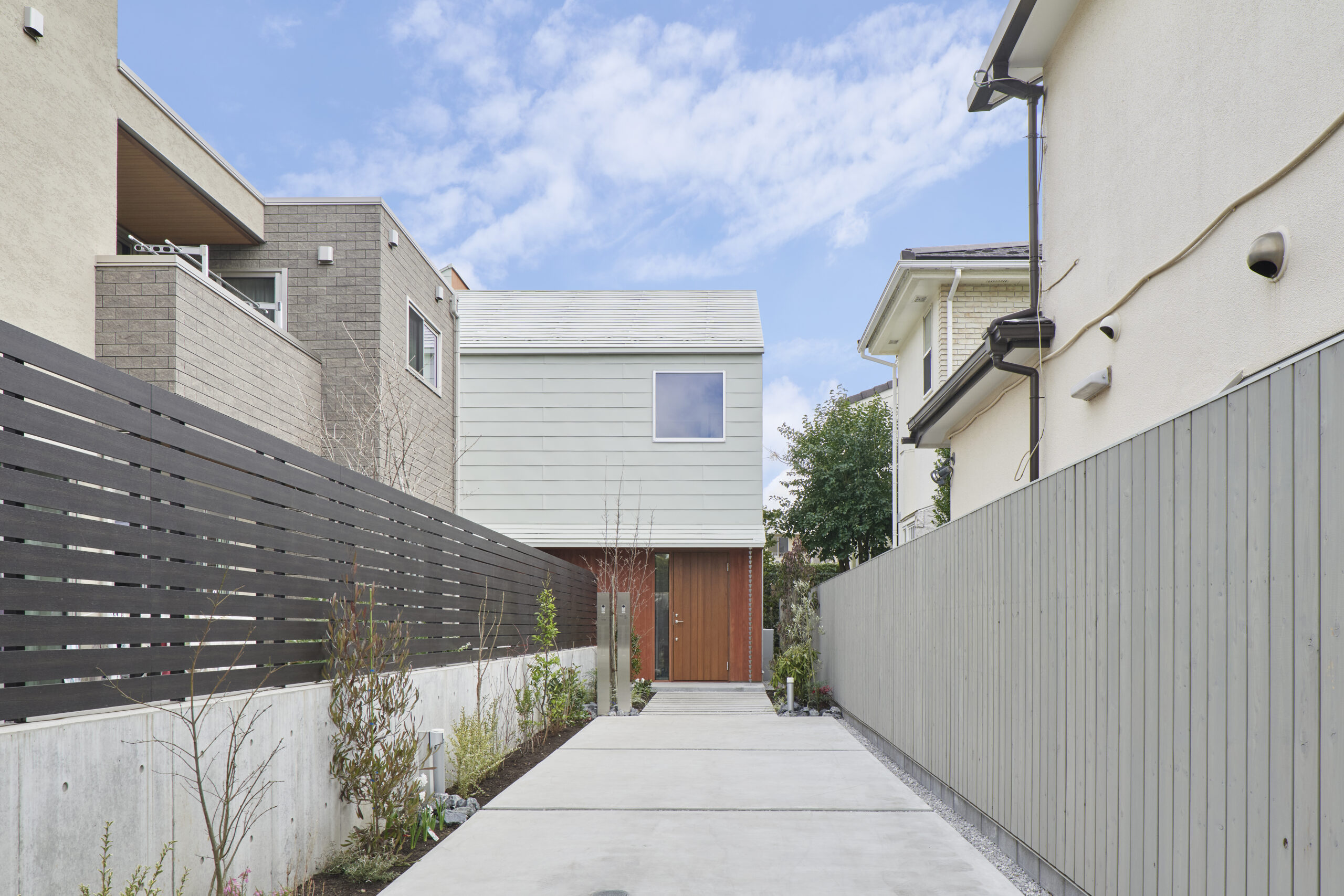
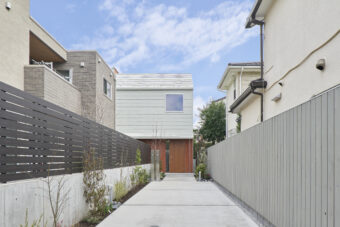
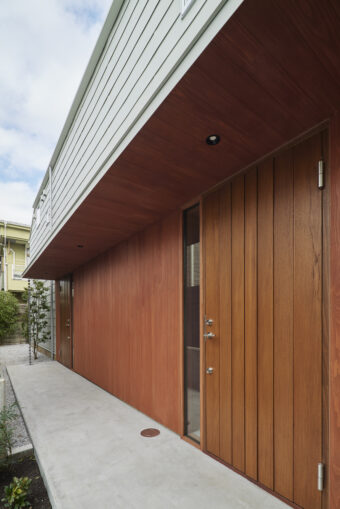
成城に建つバレエスタジオ付き二世帯住宅。
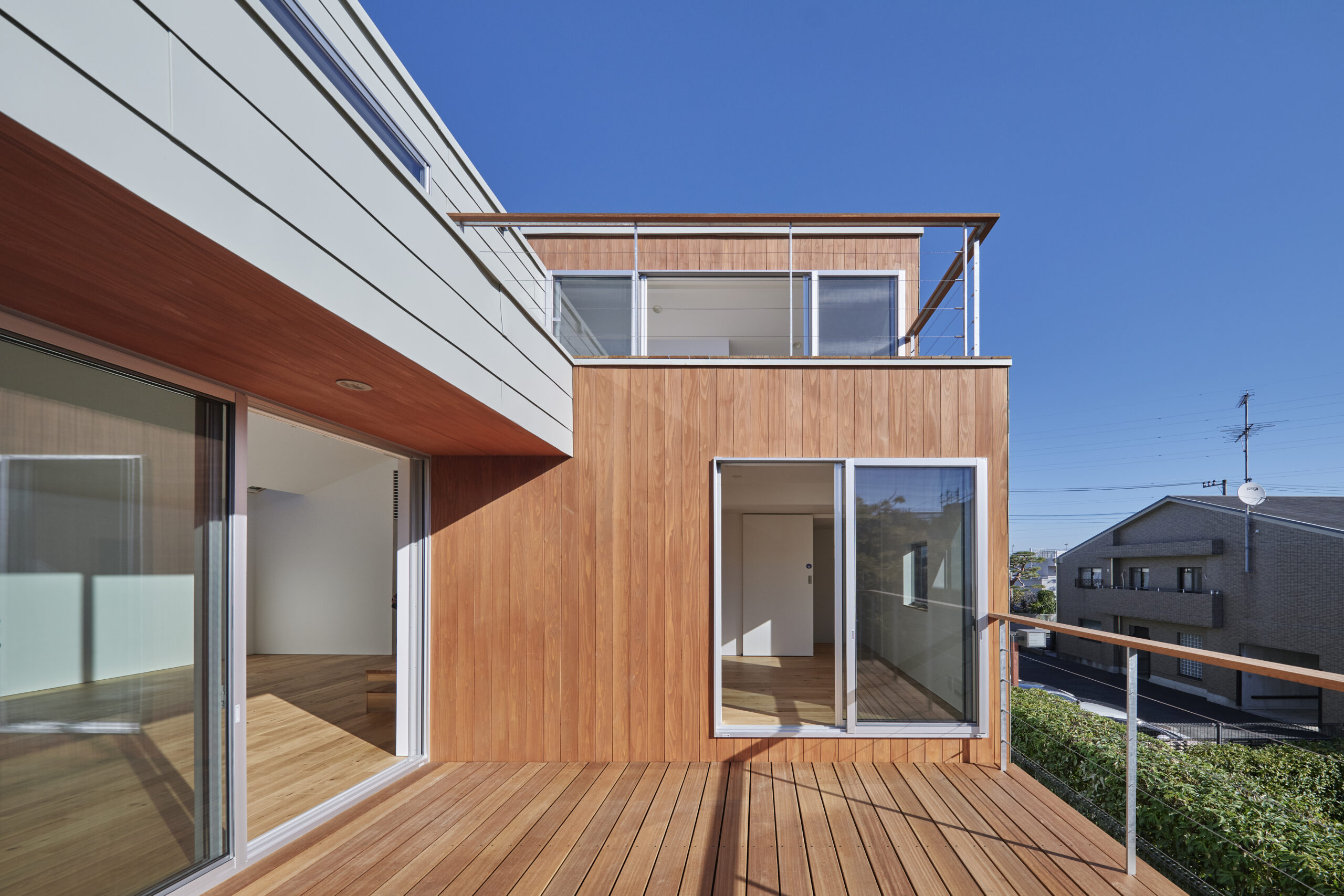
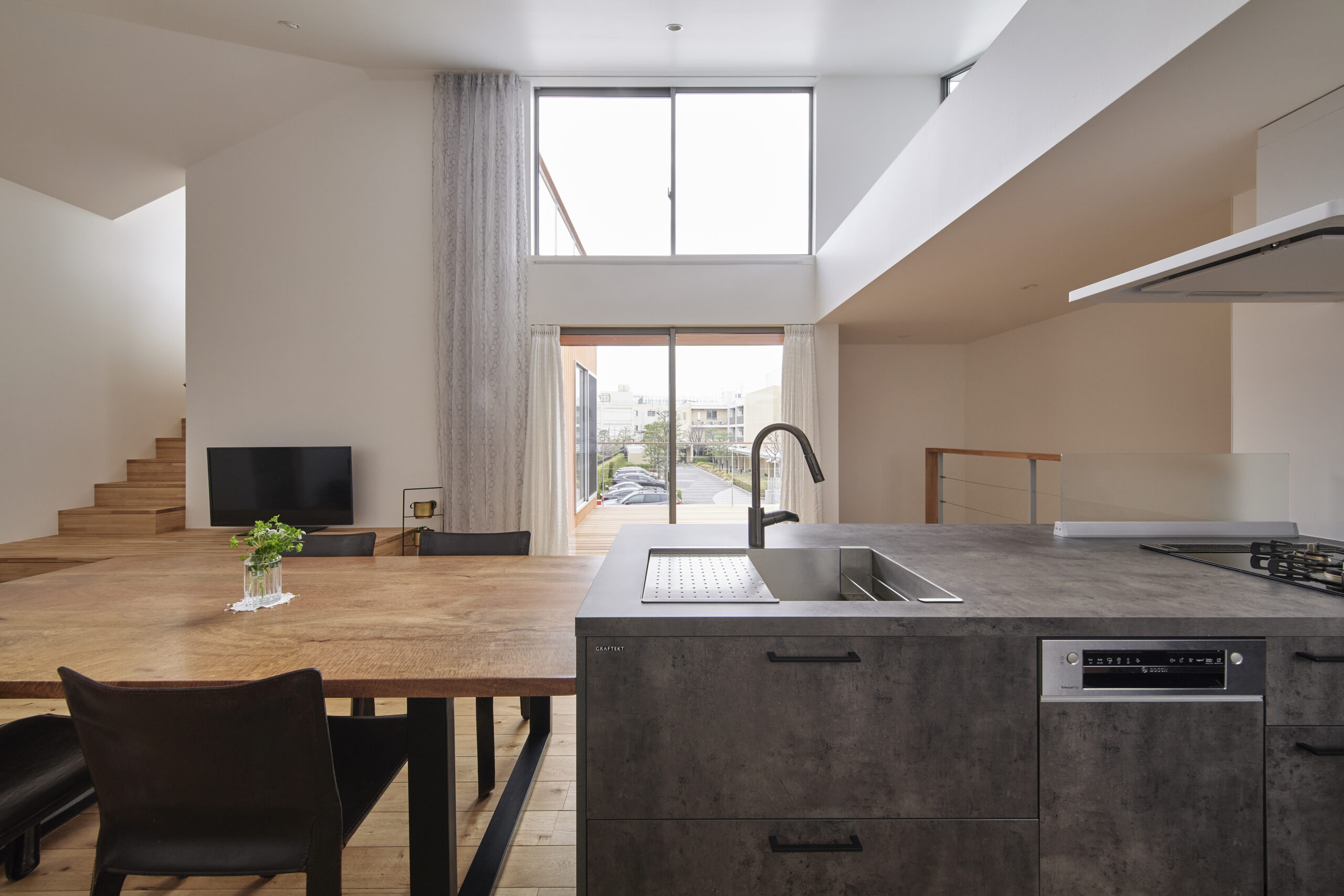
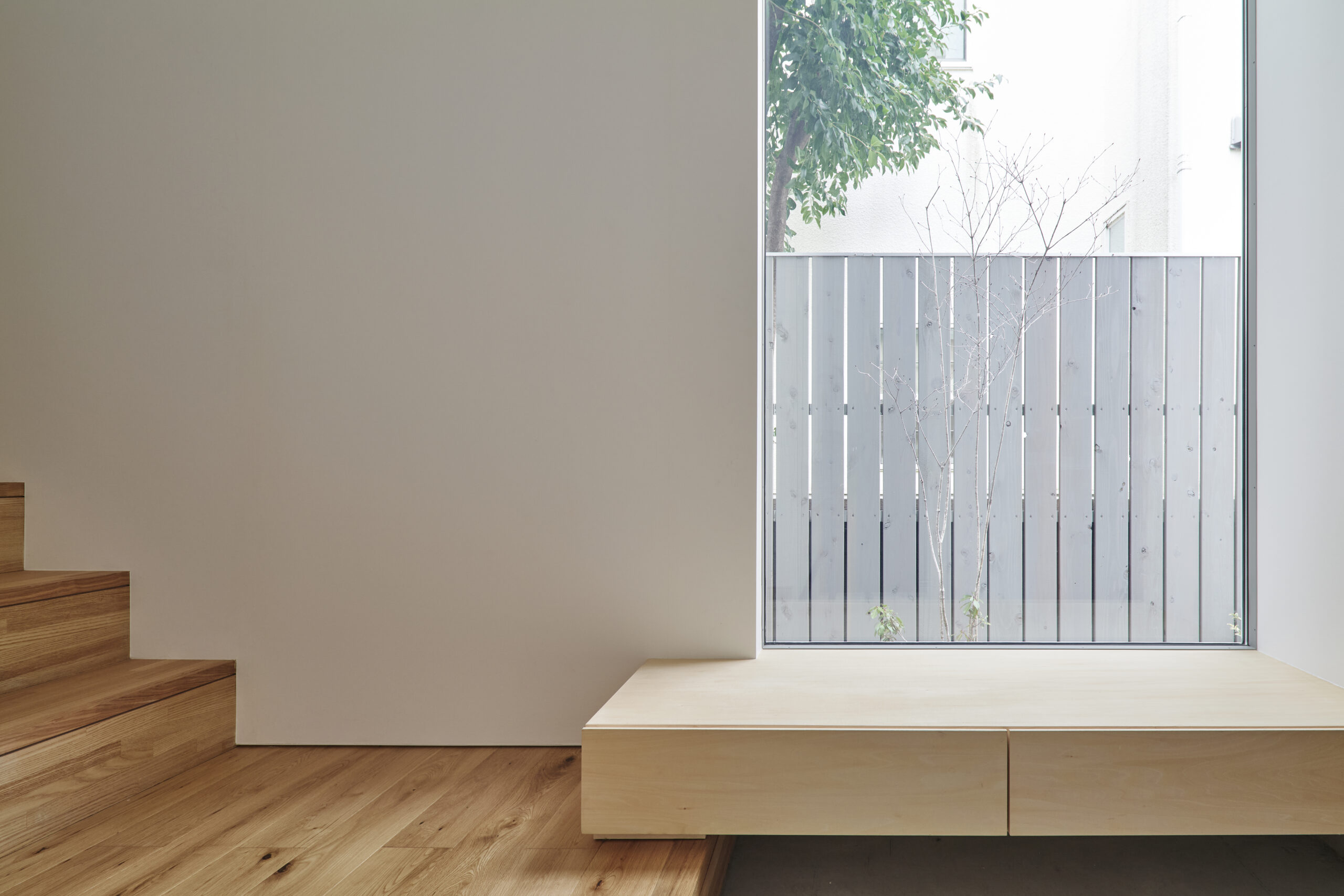
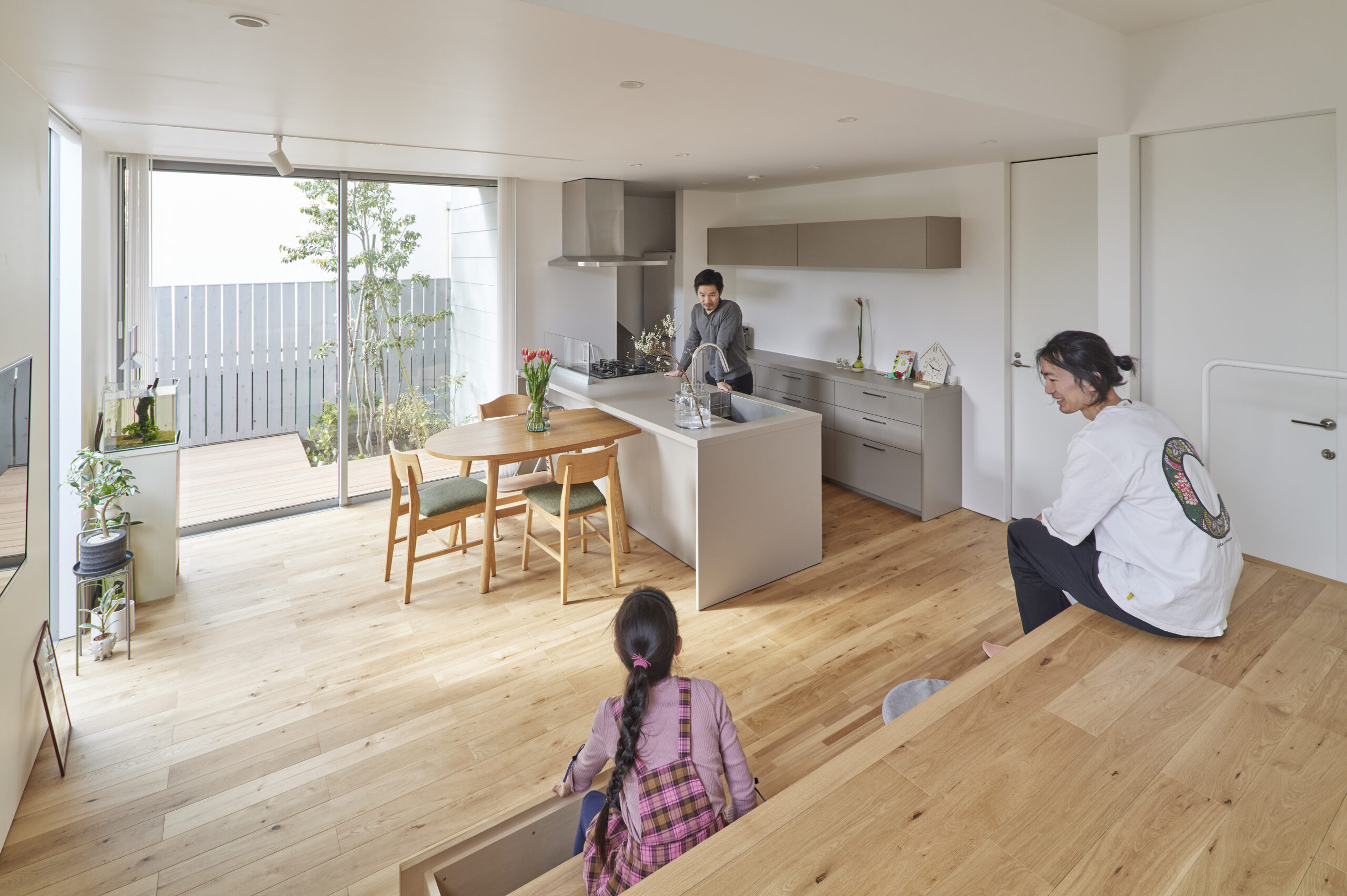
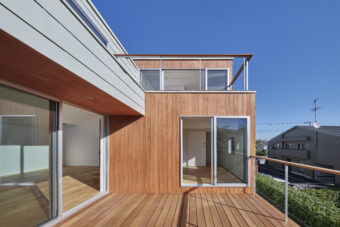
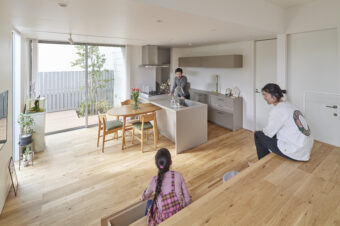
各階の南側に大きな掃出し窓と内部から連続するデッキをもうけ、それらを上層に向けてセットバックしていく「段々テラス」とすることで、内部空間に周辺の緑豊かな風景と、自然光を最大限取り込みつつ、上下階を視覚的に結び付け2世帯間の交流を促したいと考えました。
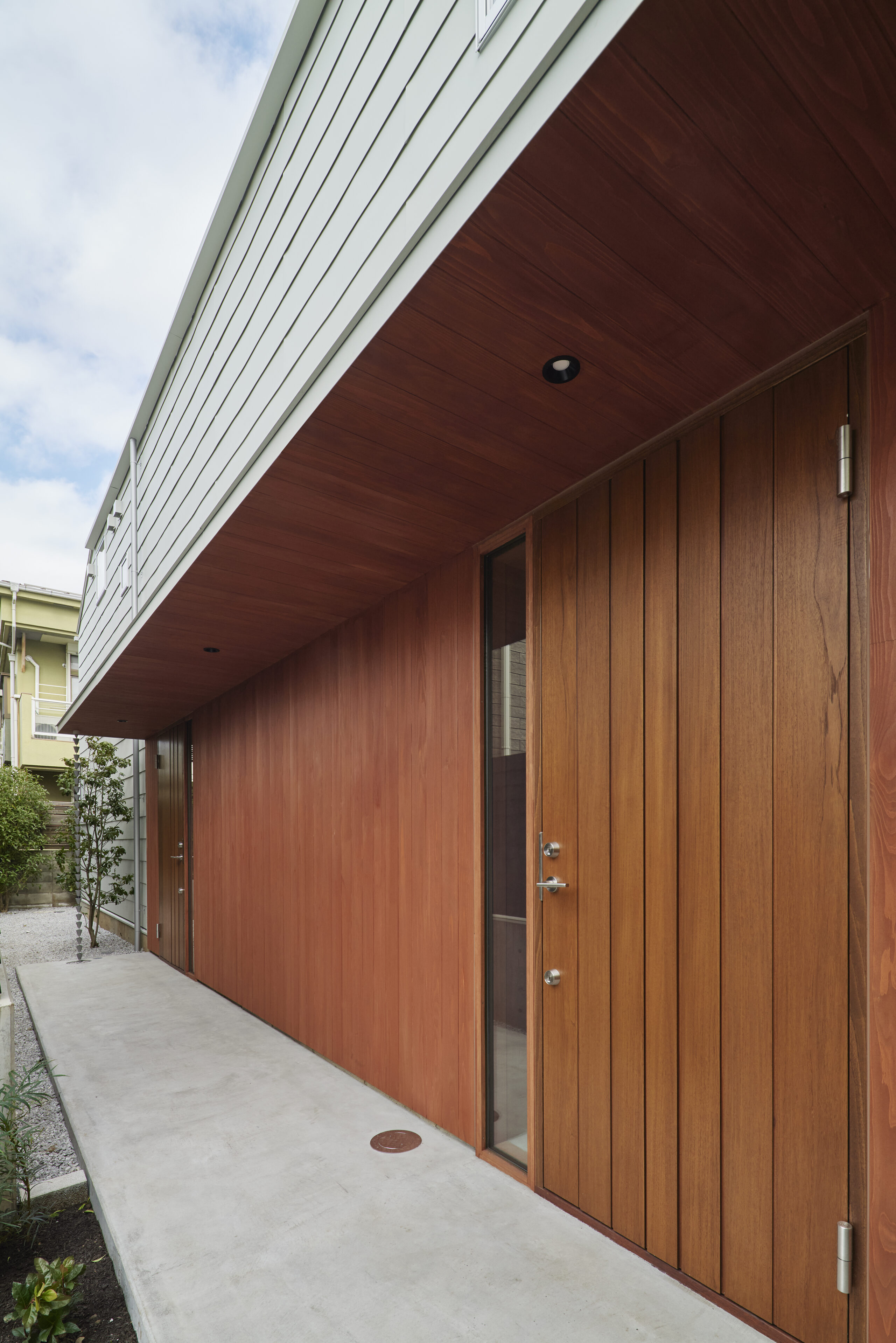
この段々テラスは、自然と風景を取り込むだけでなく、室内への環境負荷と、世帯間のプライバシーを同時に制御する装置でもあります。一階テラスは軒と杉板塀によって囲われたセミクローズドな外部空間ですが、二階テラスは軒や窓配置によって2世帯間の視線が制限されつつもお互いが直接行き来できるオープンな場所となり、さらに、ペントハウス階テラスまで登ると、周辺建物の屋根の高さを超えて視界が開けることで、国分寺崖線の森を望むことができるより開放的な空間となります。
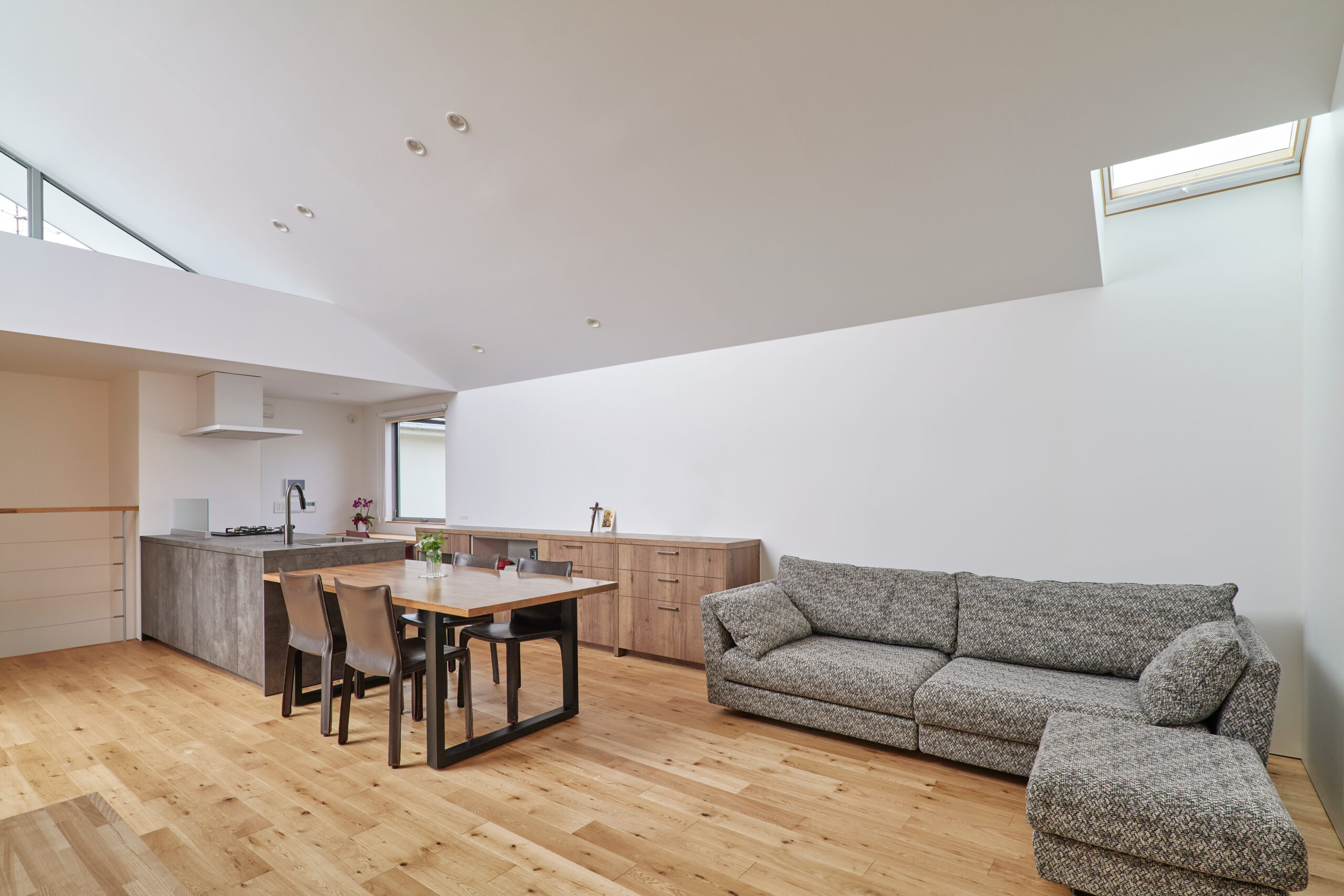
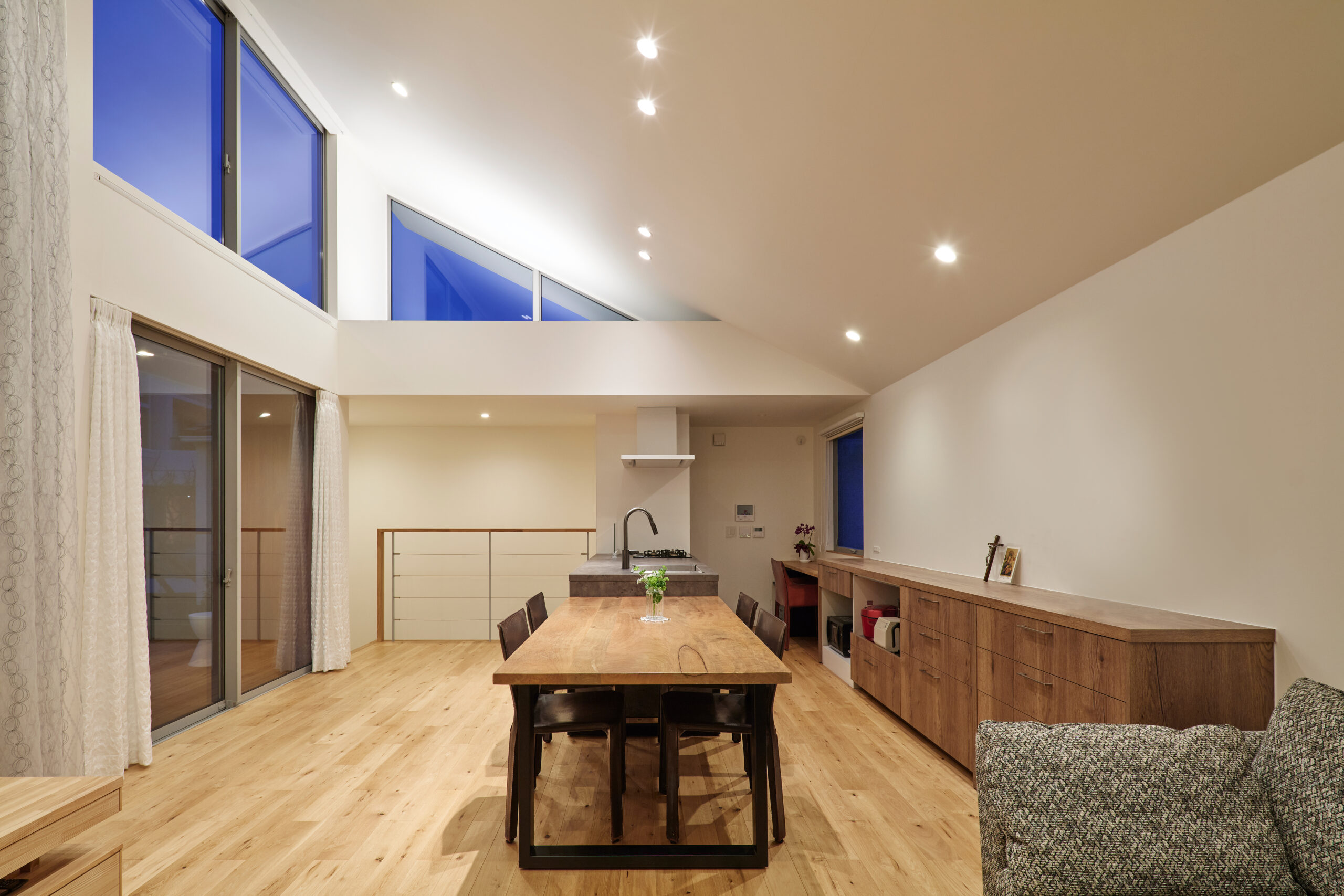
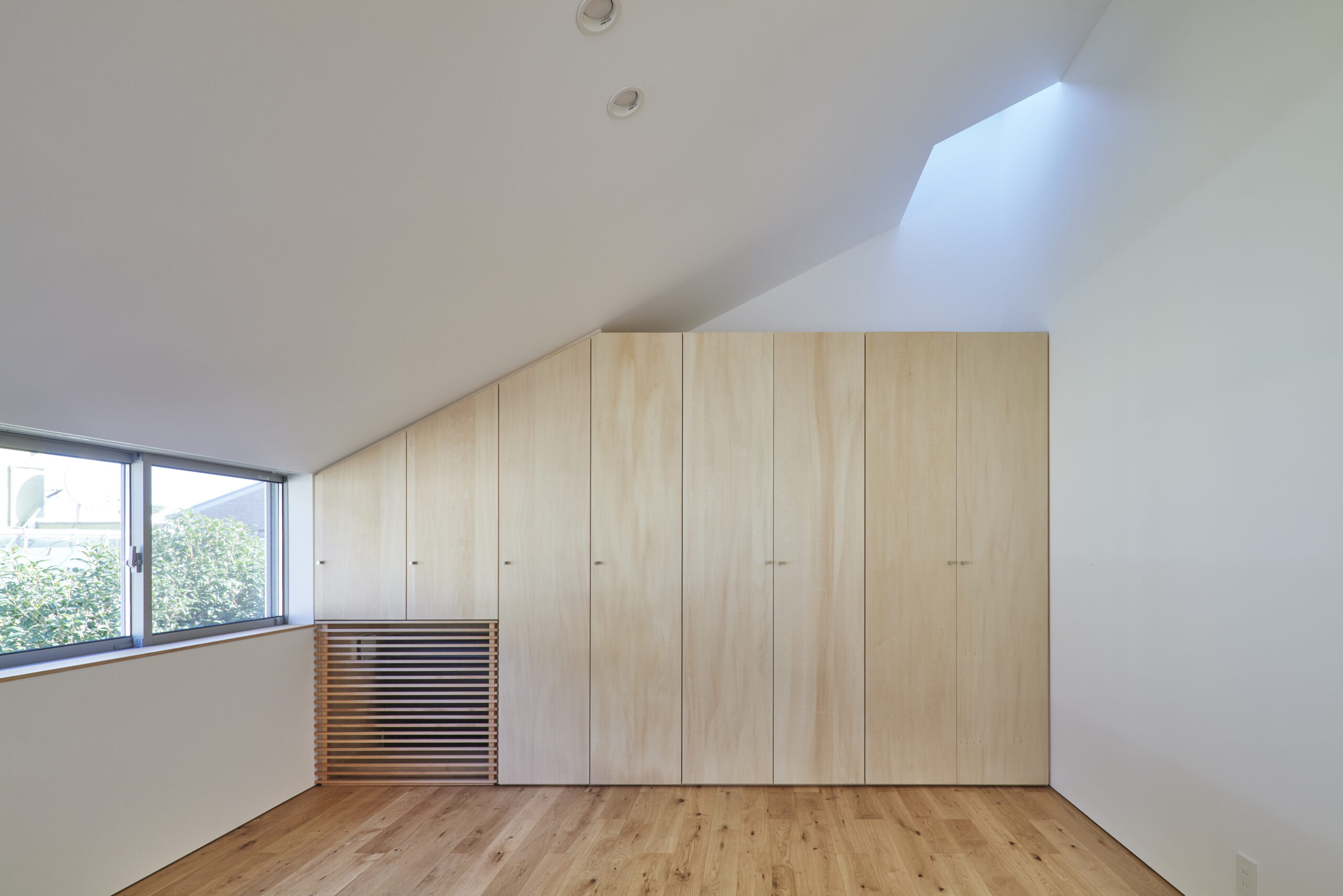
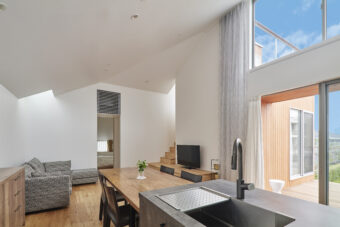
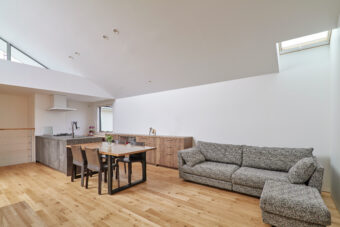
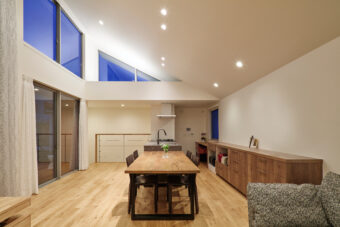
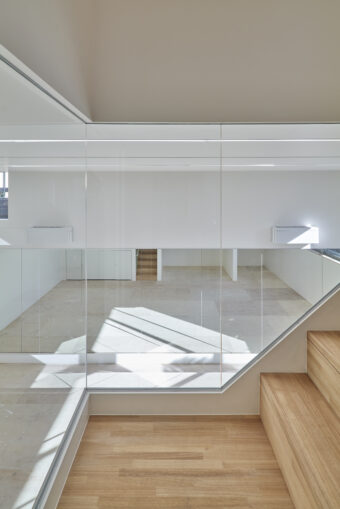
また内部において、2世帯のプライベート空間とセミパブリックなスタジオという異なる3つの領域がコンパクトに積み重なりながら、互いに貫入し合うという構成となっていて、一方の領域の機能上必要なボリュームが反対側に押し出されたときに、そこが相手側の空間構成に積極的に寄与するような、相互の関係性をつくりあげています。
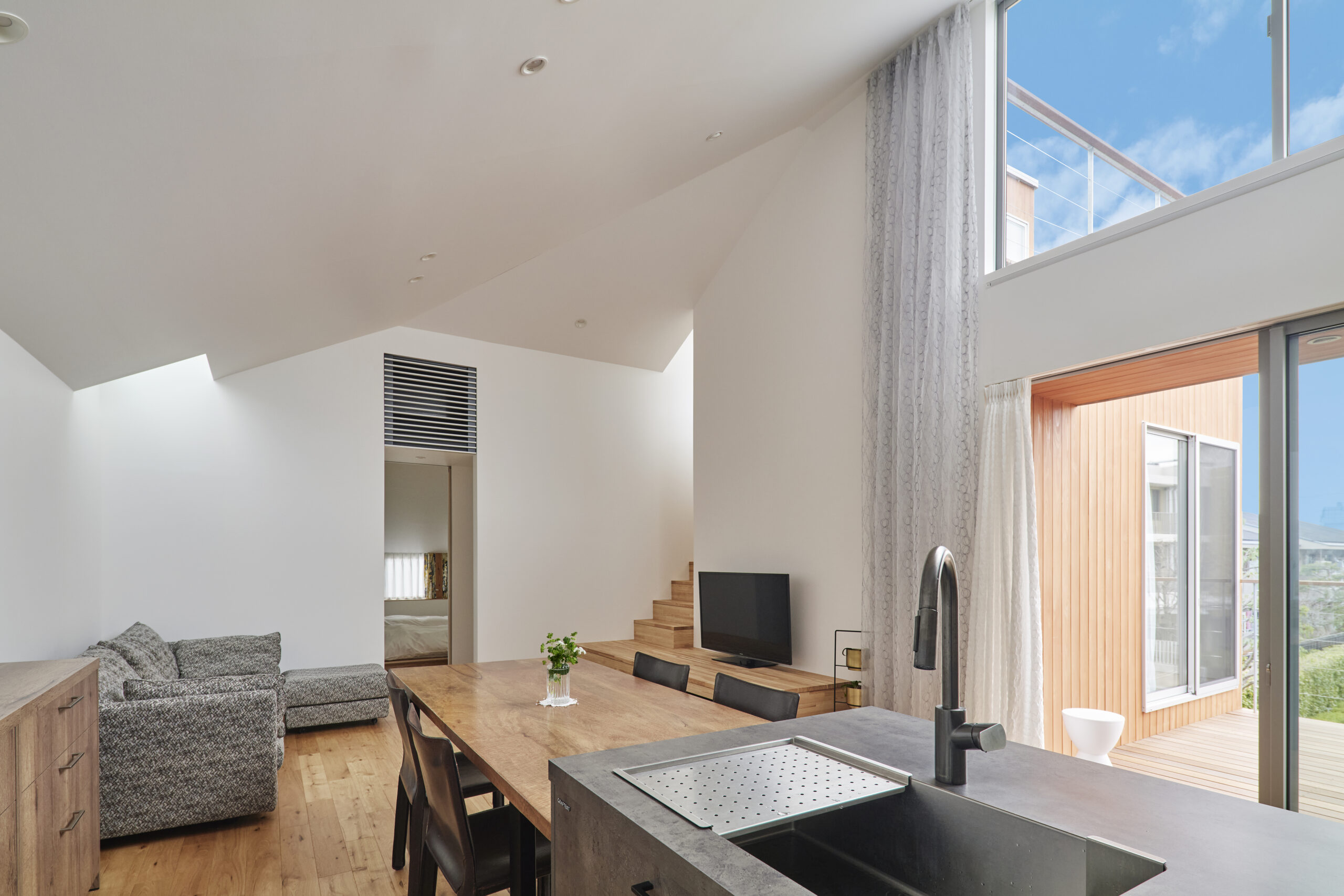
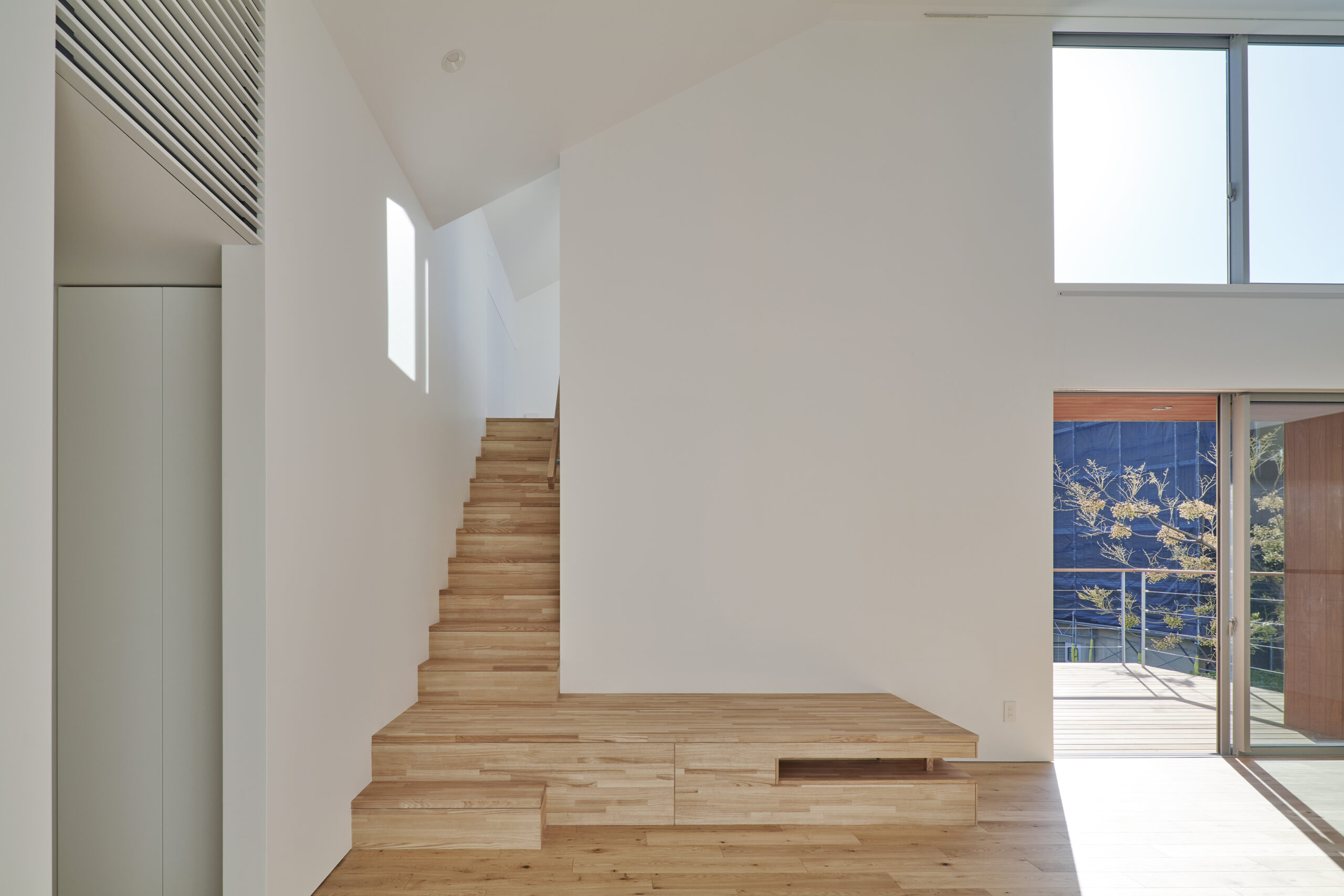
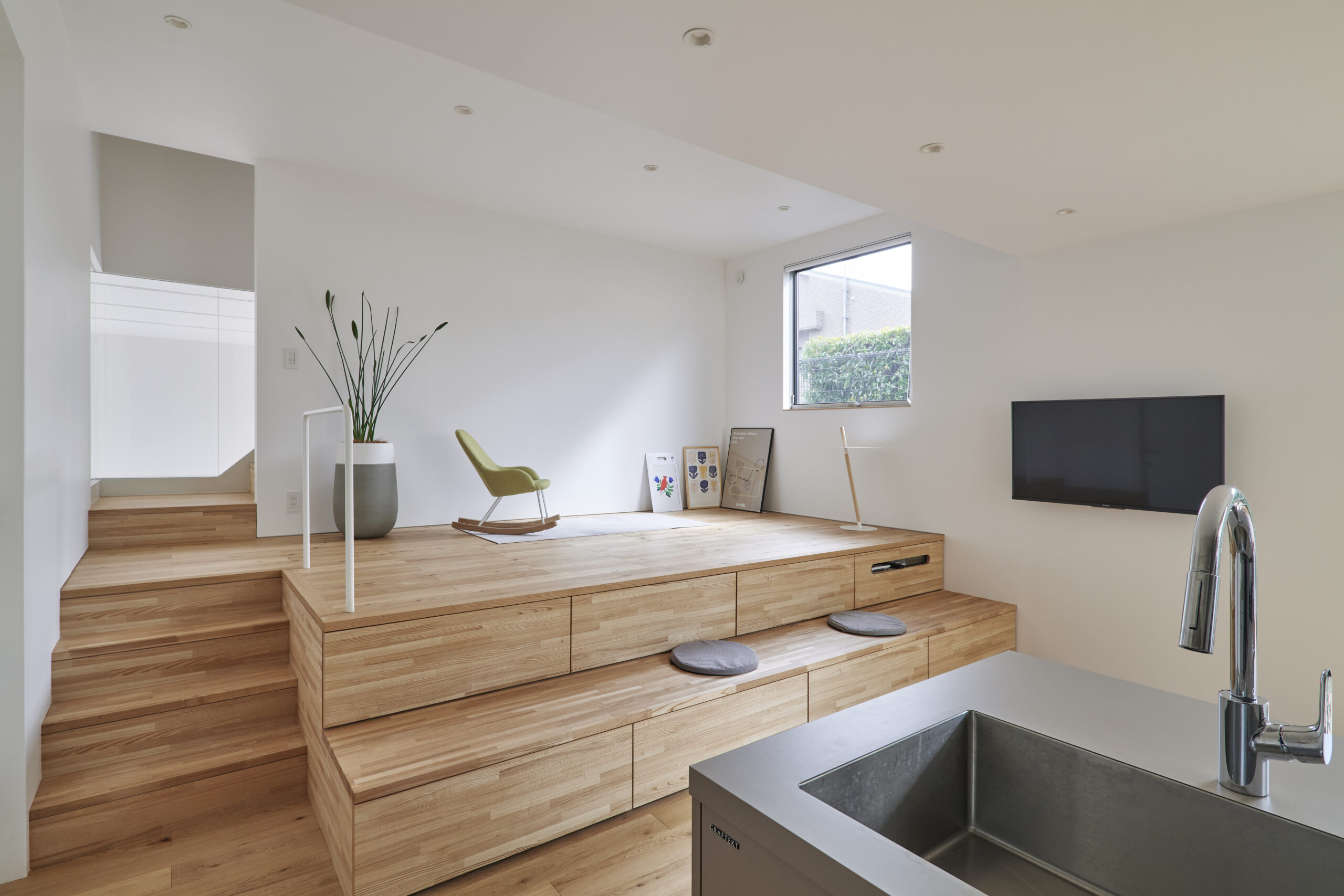
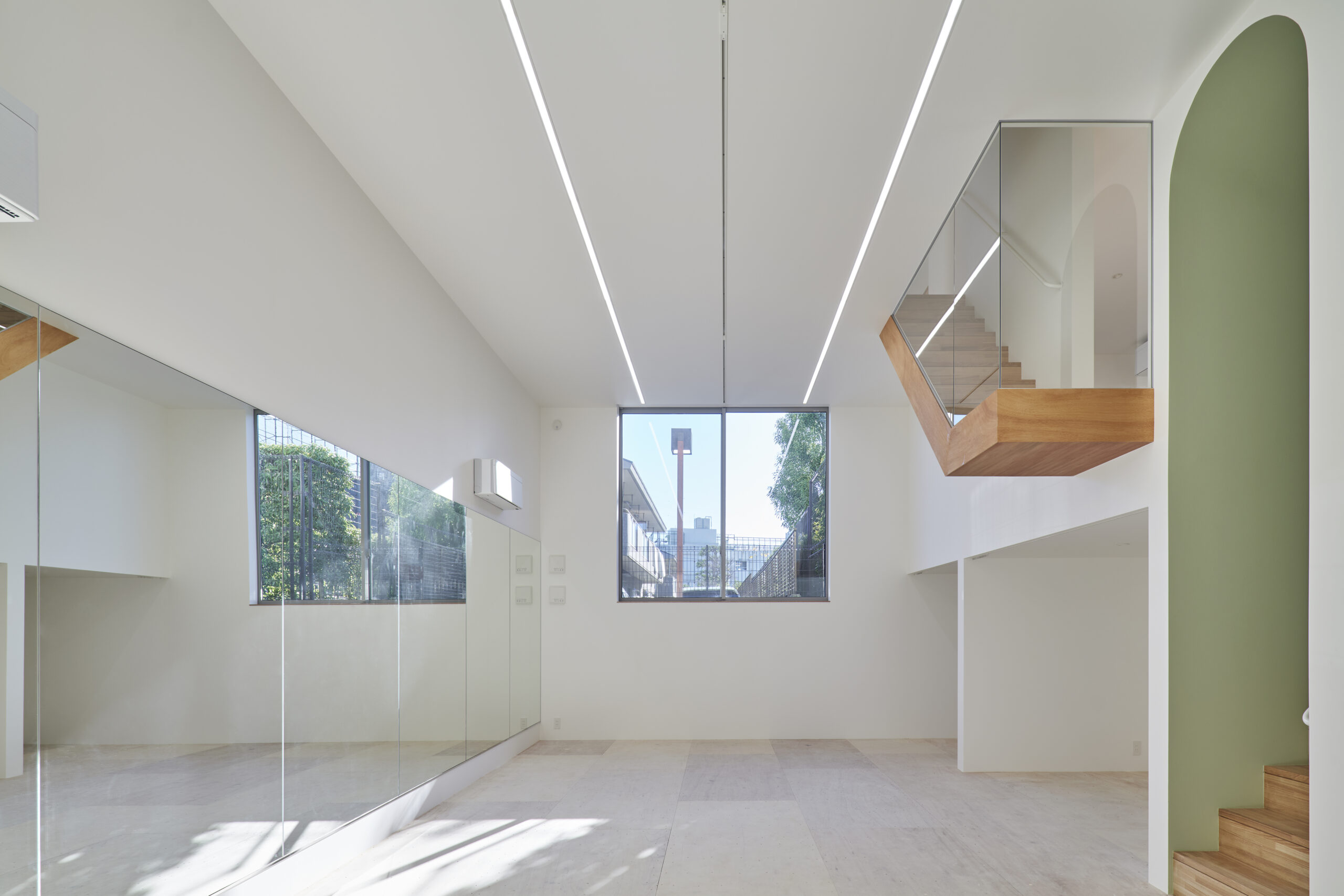
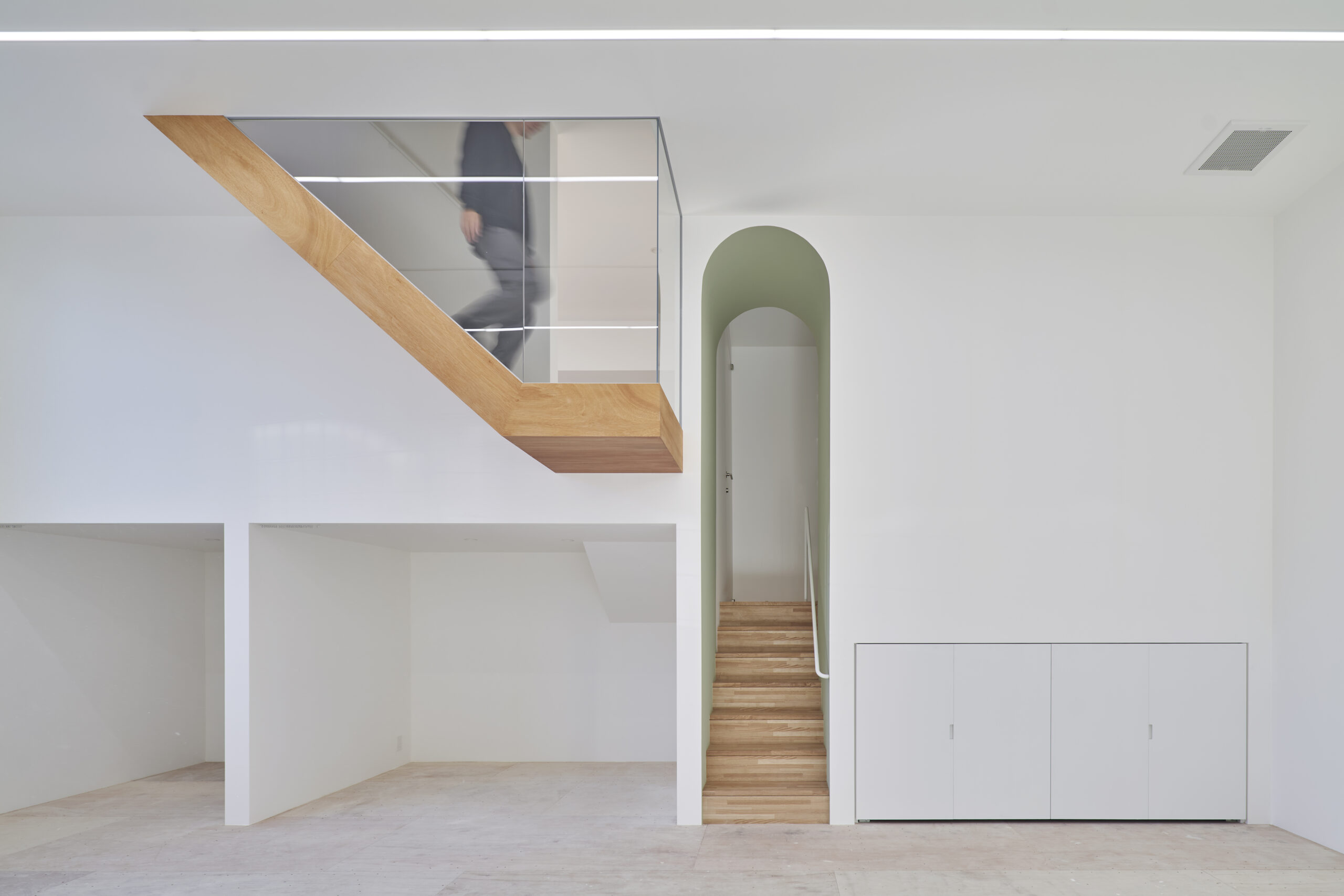
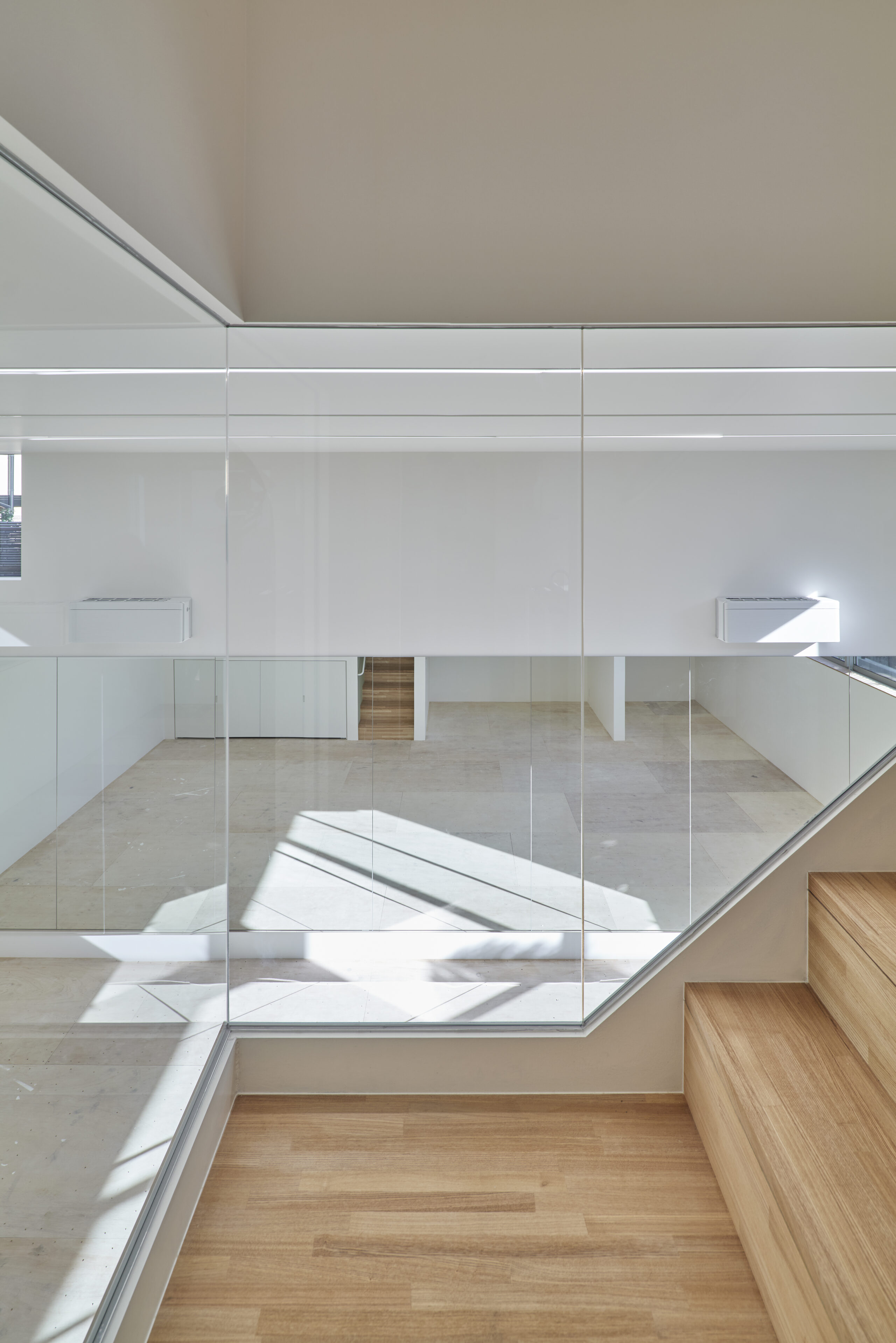
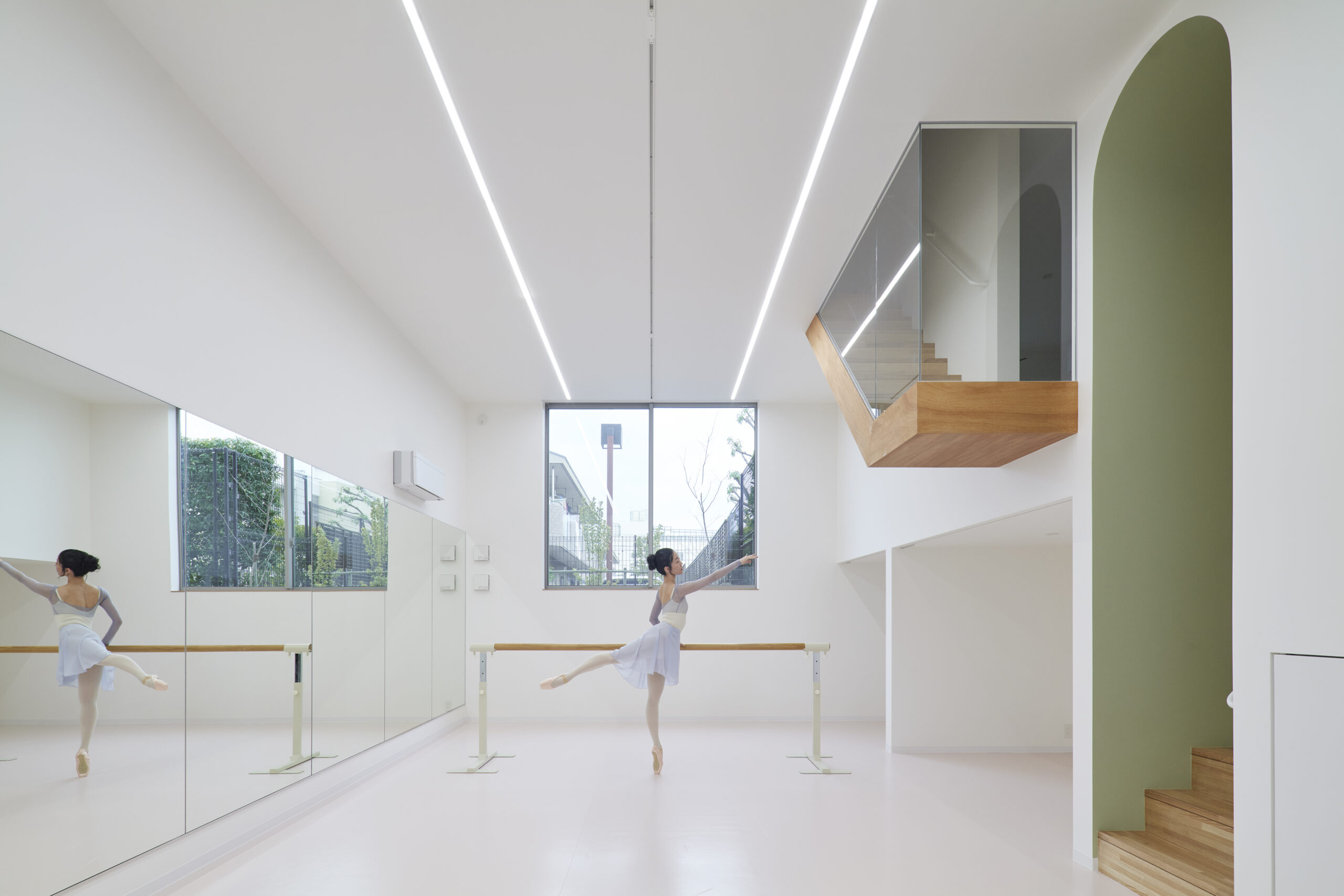
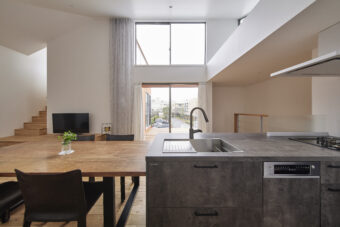
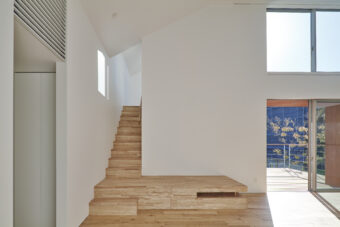
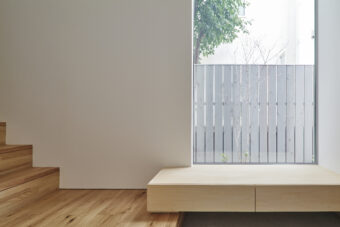
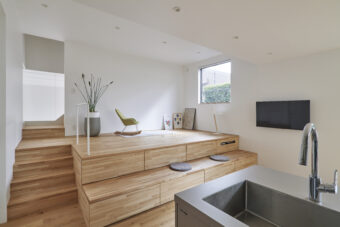
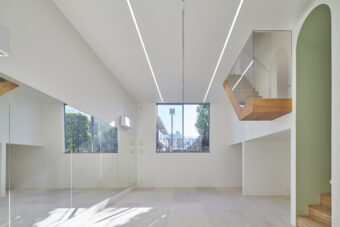
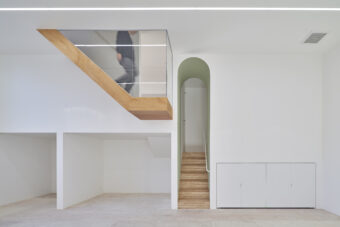
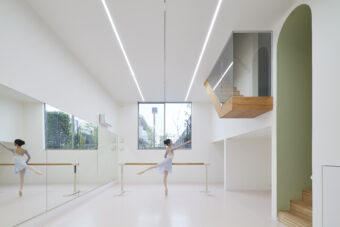
例えば、子世帯のリビングボリュームから押し出された親世帯のリビングの段差は、階段やテレビ台として機能するだけではなく、家族や友人が集まる座席となったり、子供たちが遊ぶ小さな舞台にもなります。さらに、スタジオに突き出した階段は、普段意識することのない階段の上り下りが、スタジオという非日常空間にはみ出し切り取られることで、生活に新鮮な気づきを与えるだけでなく、スタジオを覗く桟敷席として、見て見られる緊張感のある関係を作り出します。
内部と外部、世帯間、プライベートとパブリックなどの「境界面」を、押し出したり引っ込めたりすることで、相互にとって適度な関係性をチューニングするだけでなく、季節や時間ごとの自然の変化や生活の動きを可視化し、生活を取り巻く動的な要素をより際立たせたいと考えました。
To incorporate natural light and lush greenery, large sliding glass doors are installed along the southern walls of each floor, connected by a series of stepped terraces.
This design encourages interaction between the two households.
The terraces gradually ascend from south to north, allowing maximum sunlight penetration into the interior spaces of each floor. At the same time, strategically placed eaves and overhangs help regulate environmental factors such as heat and glare while maintaining privacy between the households. The first-floor terrace is a private space enclosed by eaves and walls, whereas the second-floor terrace is more open, allowing direct movement between the two households while restricting sightlines through the careful arrangement of eaves and windows. As one ascends to the penthouse-level terrace, the view opens up beyond the surrounding rooftops, offering a panoramic vista of the lush forest along the Kokubunji Cliff Line, creating a liberating and expansive experience.
Additionally, the living spaces of each household are compactly stacked while interpenetrating one another. The protruding sections extending into the opposite household’s space contribute new functional elements to their spatial composition. For instance, a raised platform extending from the living area not only serves as part of the staircase but also functions as seating for family and friends or as a small stage for children to play on. Similarly, a staircase projecting into the ballet studio transforms the otherwise unnoticed act of ascending and descending into a framed moment within the extraordinary setting of the studio, injecting both tension and delight into everyday life.
Through the careful definition and design of boundaries—between interior and exterior, between the two households, and between overlapping private domains—the architecture visualizes the natural transitions of time and season while subtly influencing the residents’ behaviors. The result is a space that highlights and enhances dynamic elements, fostering a living environment that is both fluid and engaging.
Project Name
成城のスタジオ付き住宅 HOUSE IN SEIJO
Information
-
Year
2023
-
Category
Design Category, Building Type, Design Status, Architecture, Residencial, Realized
-
Status
Built
-
Location
東京,日本 Tokyo, Japan
-
Photo Credit
高木康広 Yasuhiro Takagi
-
Collaborator
構造: 坪井宏嗣構造設計事務所 + yAt構造設計事務所(中畠敦広) / 施工: 本間建設
Structural Design: Hirotsugu Tsuboi Structural Engineering Company + yAt Structure Design Office(Nakahata Atsuhiro) / Construction: Honma Construction
Related Projects
-
![]()
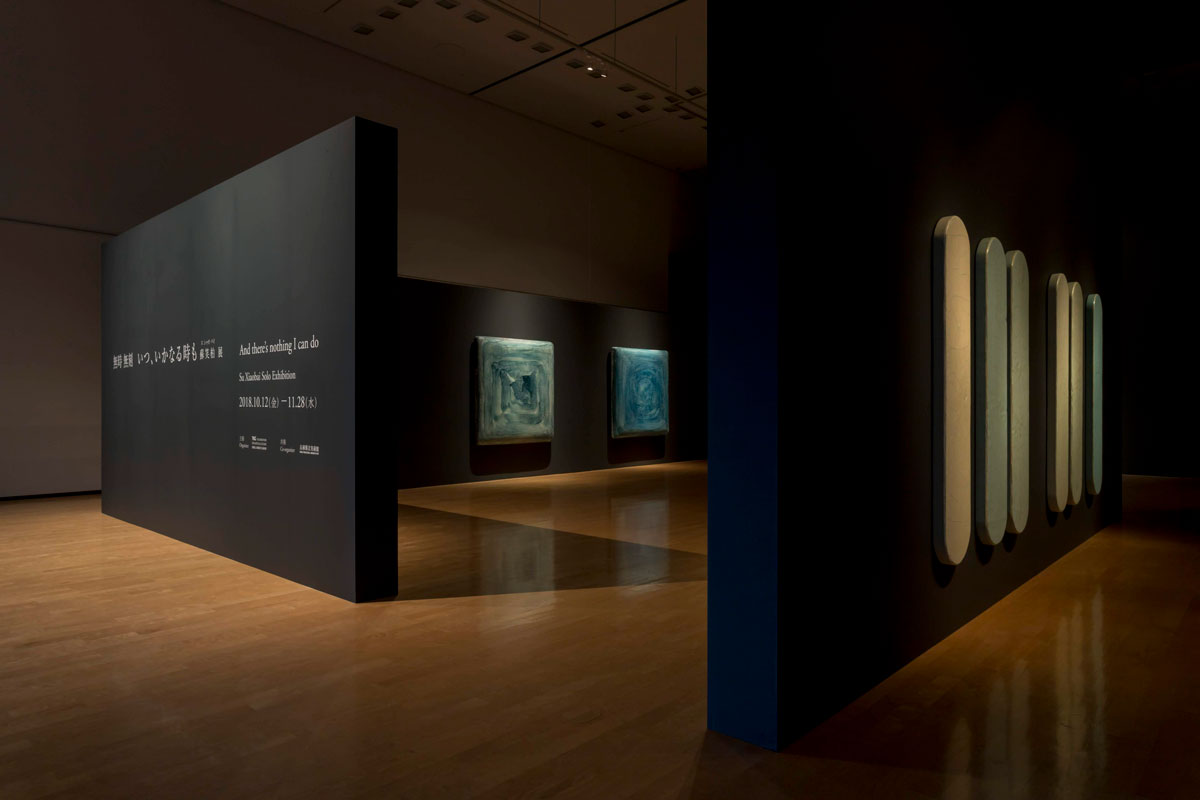
兵庫県立美術館 Su Xiaobai Exhibition 2018 Su Xiaobai Exhibition
2018
Design Category, Design Status
-
![]()
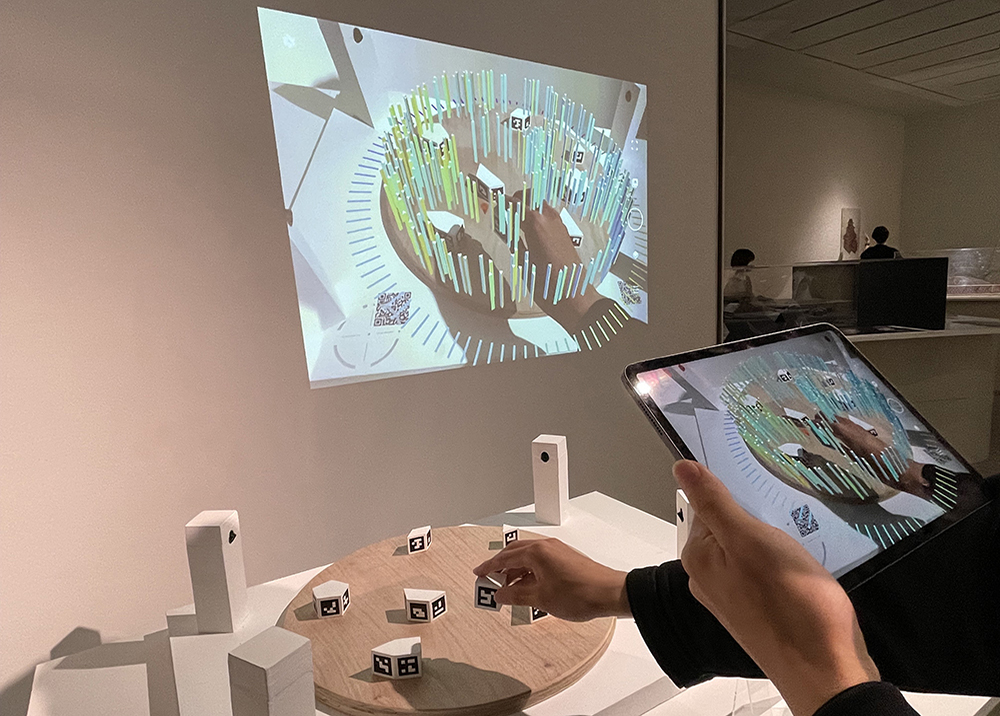
“High Dimensional Model”
for 建築模型展ー文化と思考の変遷ー at WHAT MUSEUM “High Dimensional Model”
for Architectural Model: Historical Transition as a Medium of Architecture at WHAT MUSEUM2022
Design Category, Design Status
-
![]()
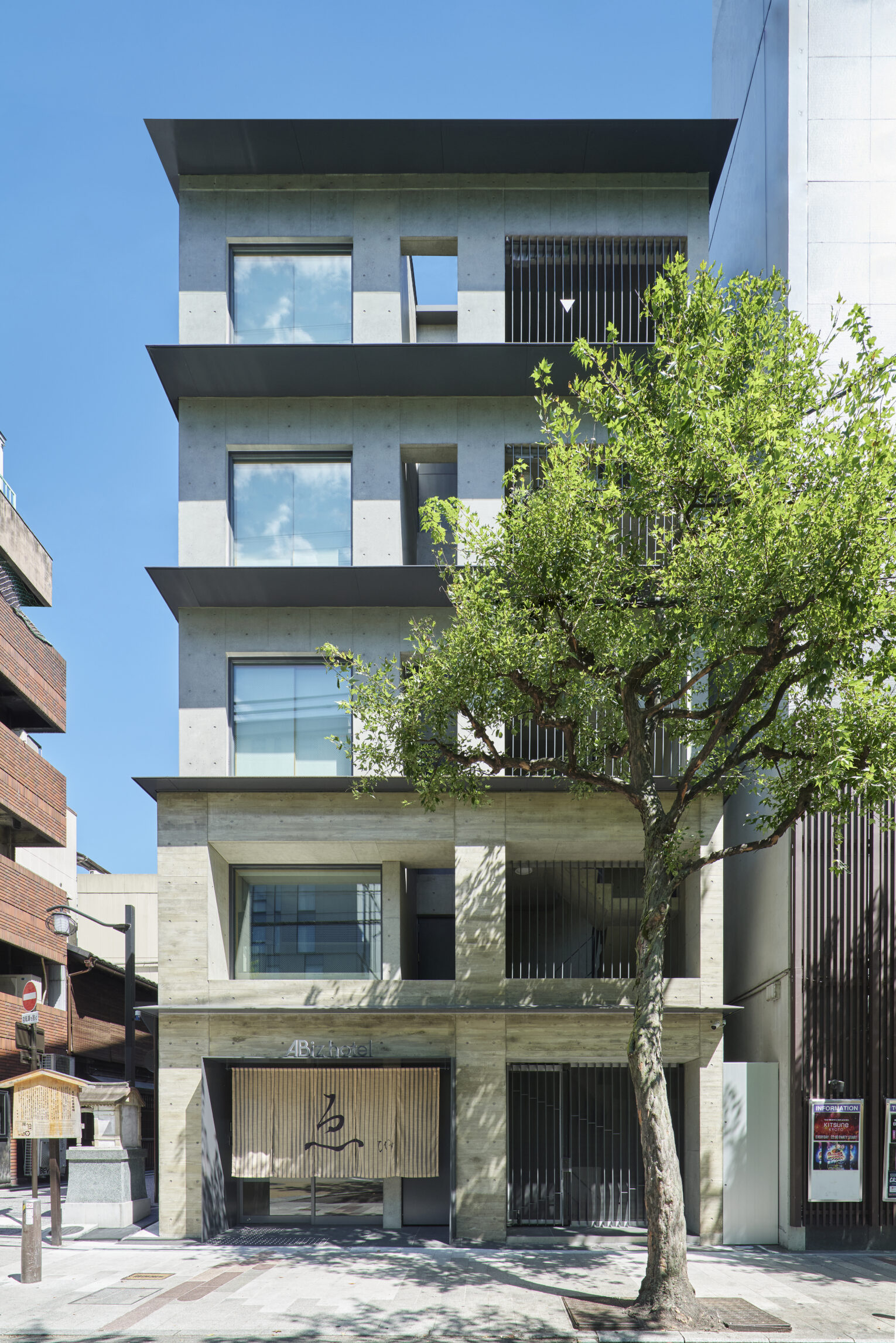
ABiz Hotel 木屋町 ABiz Hotel
2023
Design Category, Building Type, Design Status
-
![]()
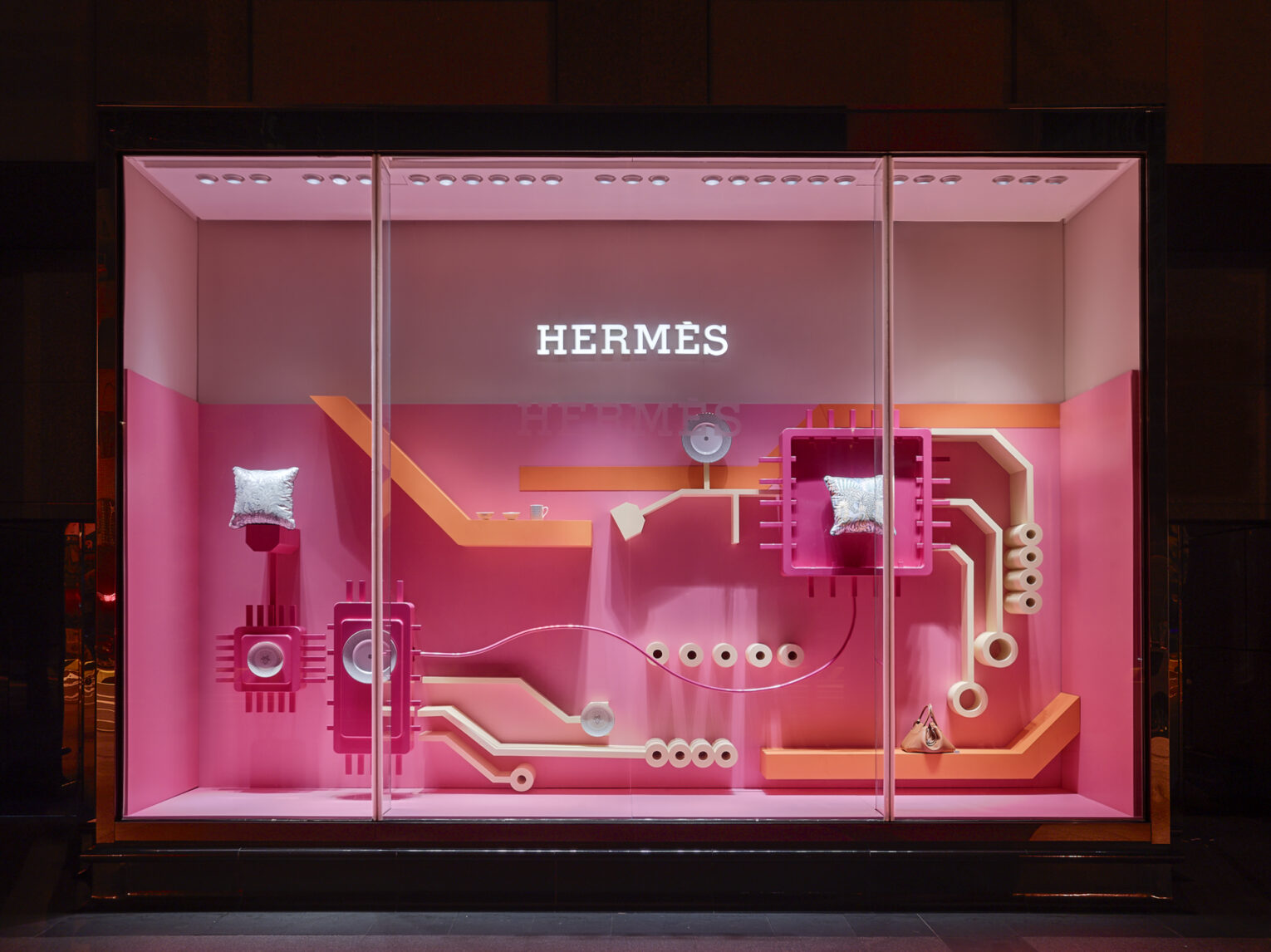
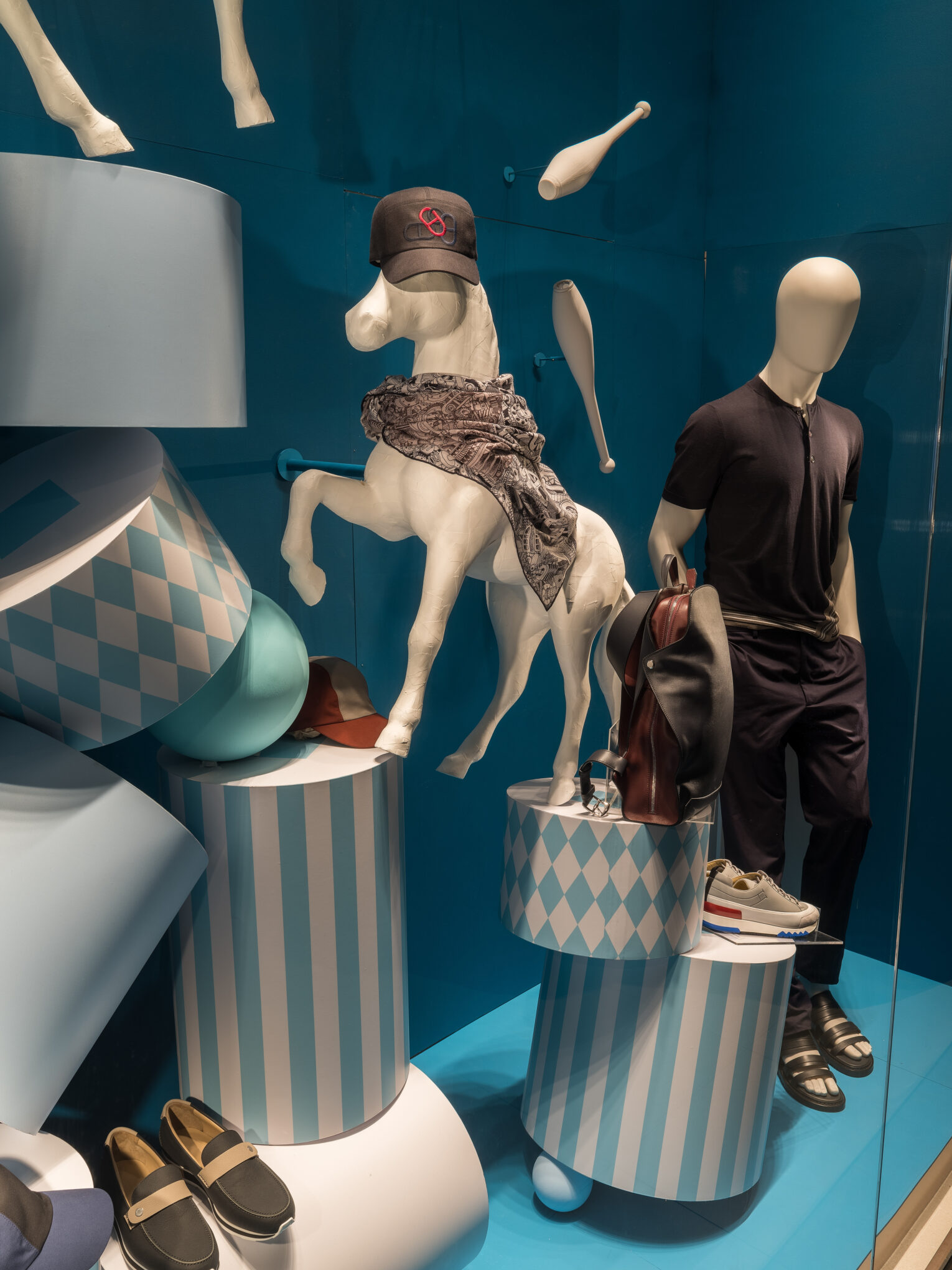
Hermes 2020 S/S window display
2020
Design Category, Design Status
-
![]()
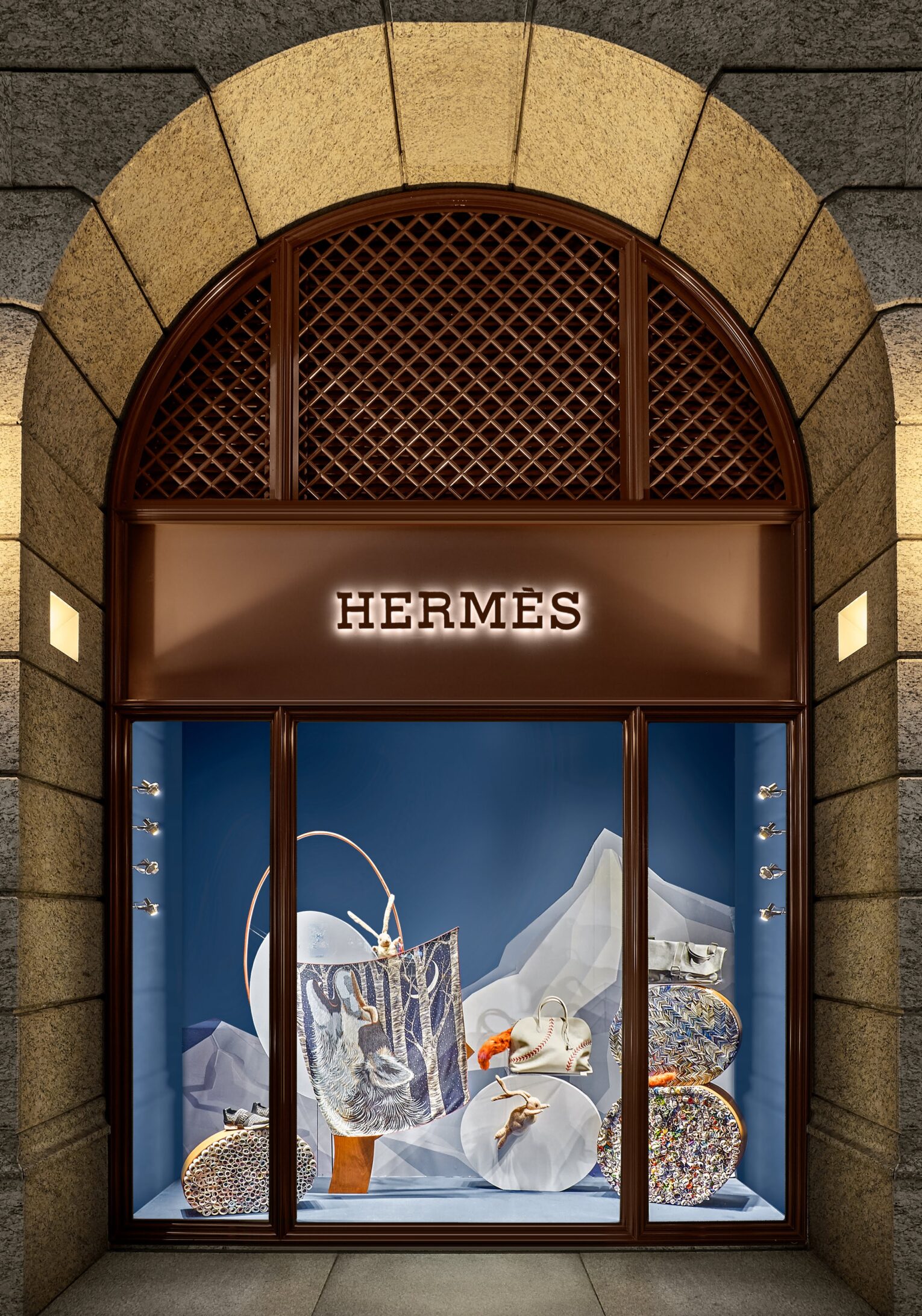
Hermes 2018 S/S window display
2018
Design Category, Design Status
-
![]()
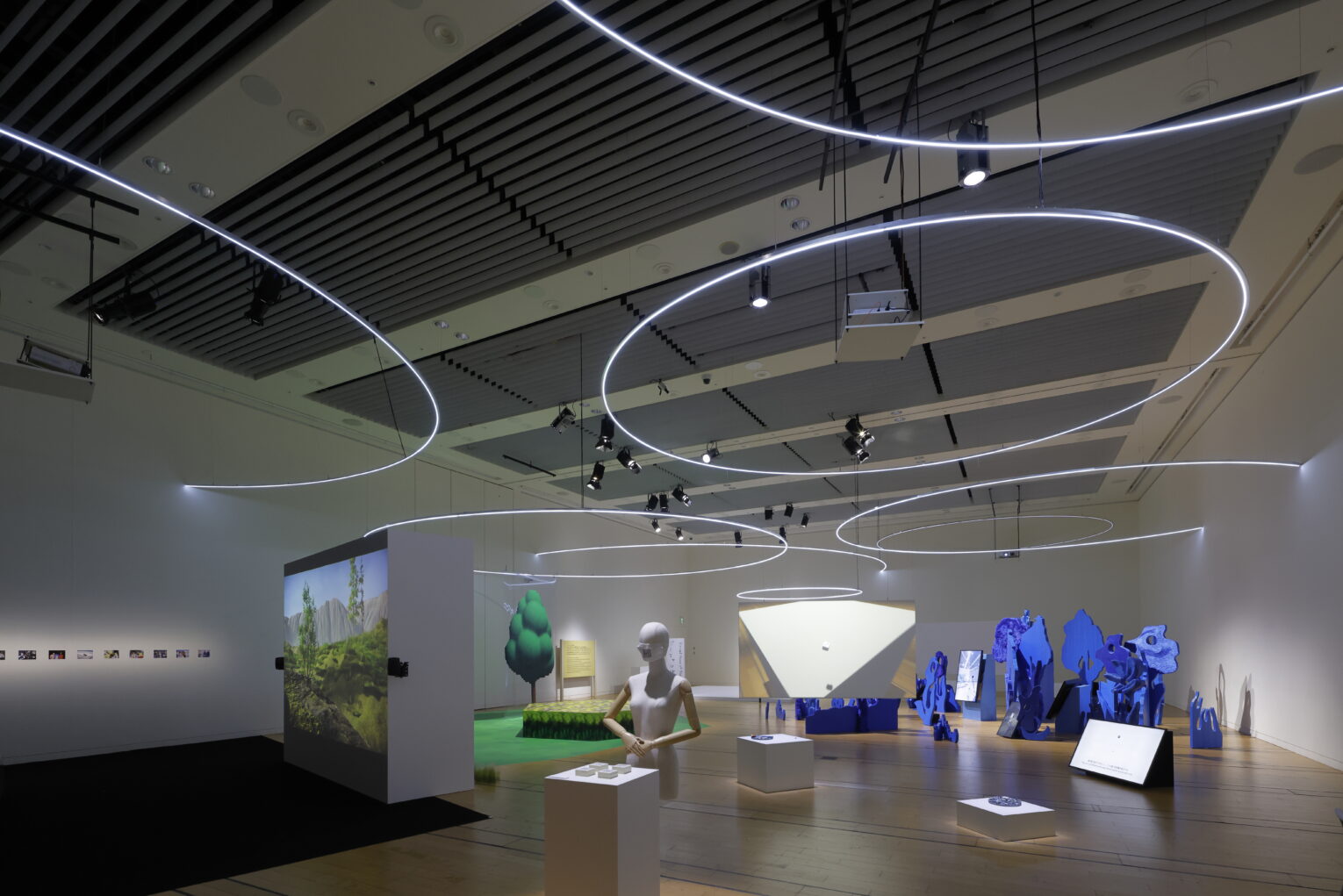
NTT InterCommunication Center[ICC]
「多層世界とリアリティのよりどころ」 展 会場構成
-多層世界会場構成三部作 3/3- “Viewpoints of Reality in the Multi-layered World”
at NTT InterCommunication Center[ICC]2022
Design Category, Design Status
-
![]()
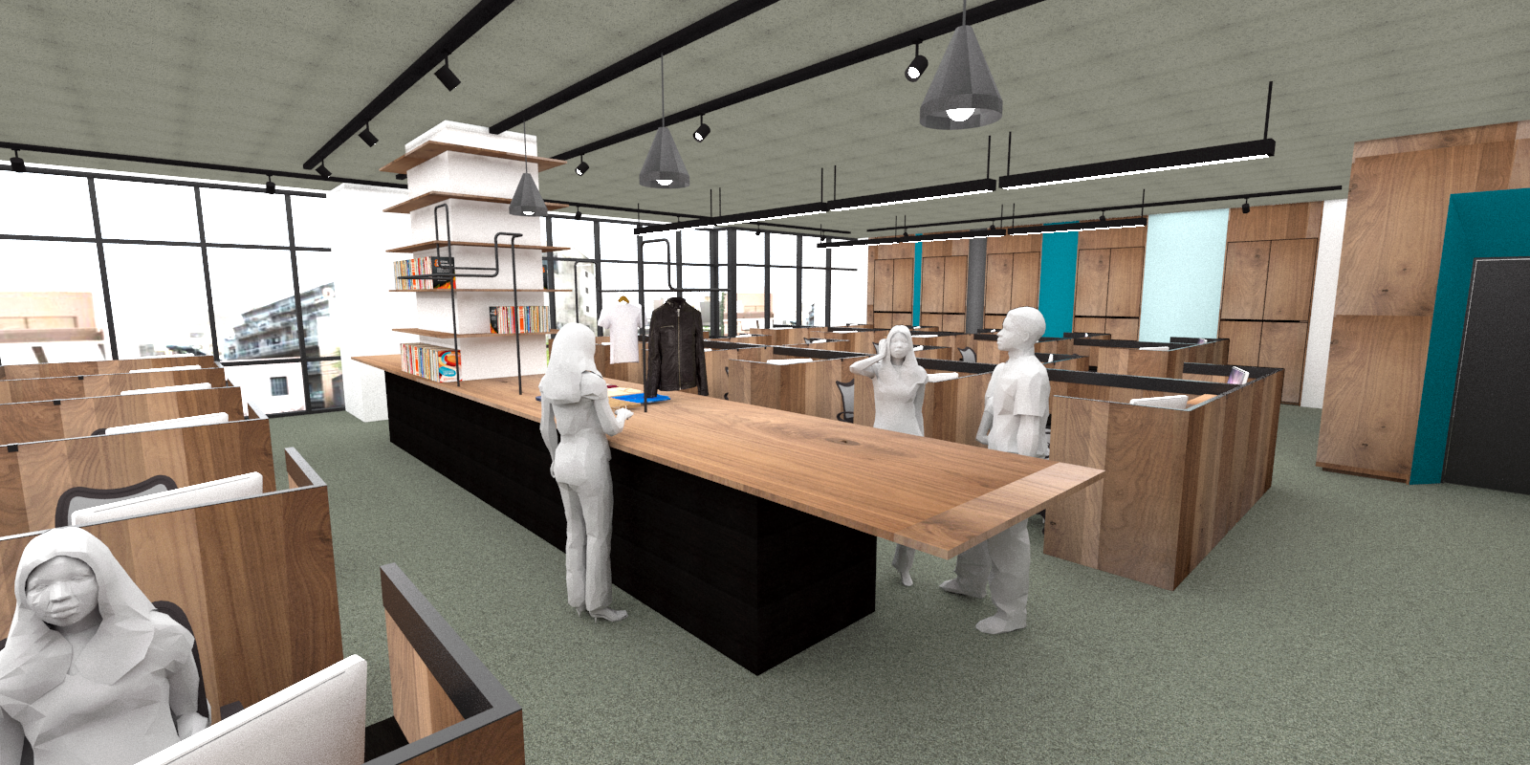
RSI Headquarters
2015
Design Category, Building Type, Design Status
-
![]()
Hermes 2018 A/W window display
2018
Design Category, Design Status
-
![]()
Warlon Series
2010
Design Category
-
![]()
Hirakawacho Building
2018
Design Category, Building Type, Design Status
View Detail
